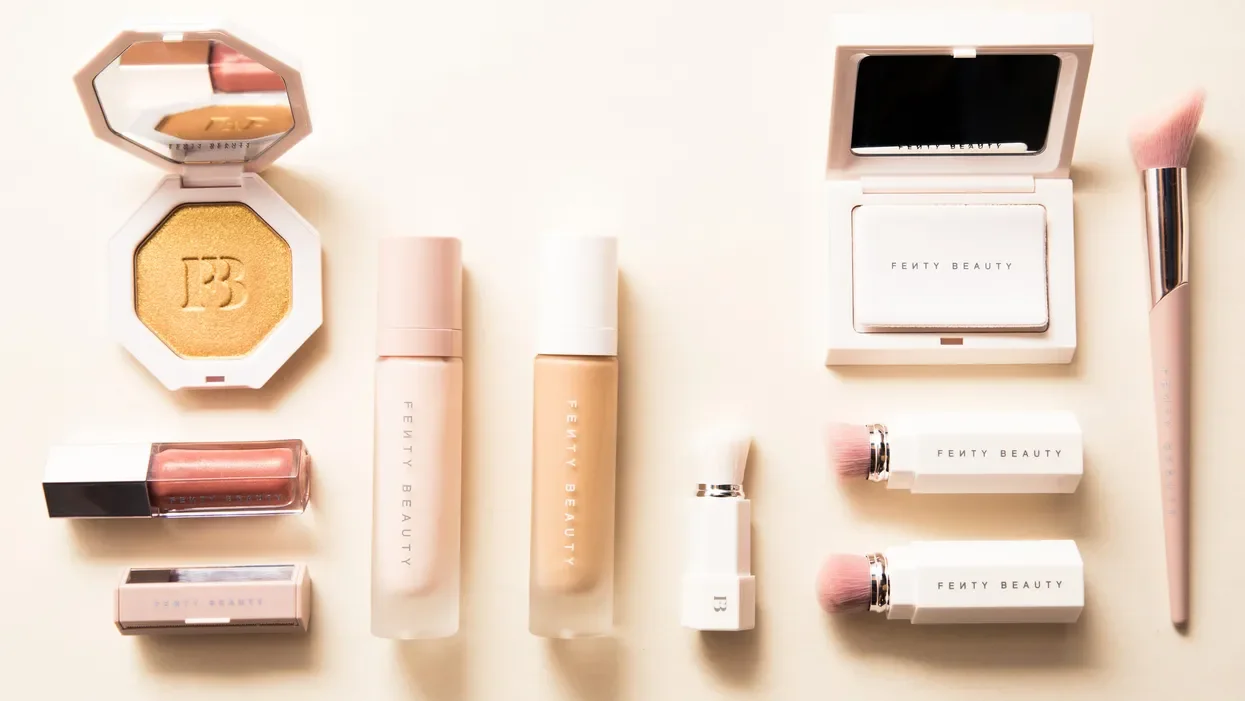
The Ask
Inspire men ages 18 to 27 who already use makeup to choose Fenty Beauty as their primary brand during the holiday season.
The Problem
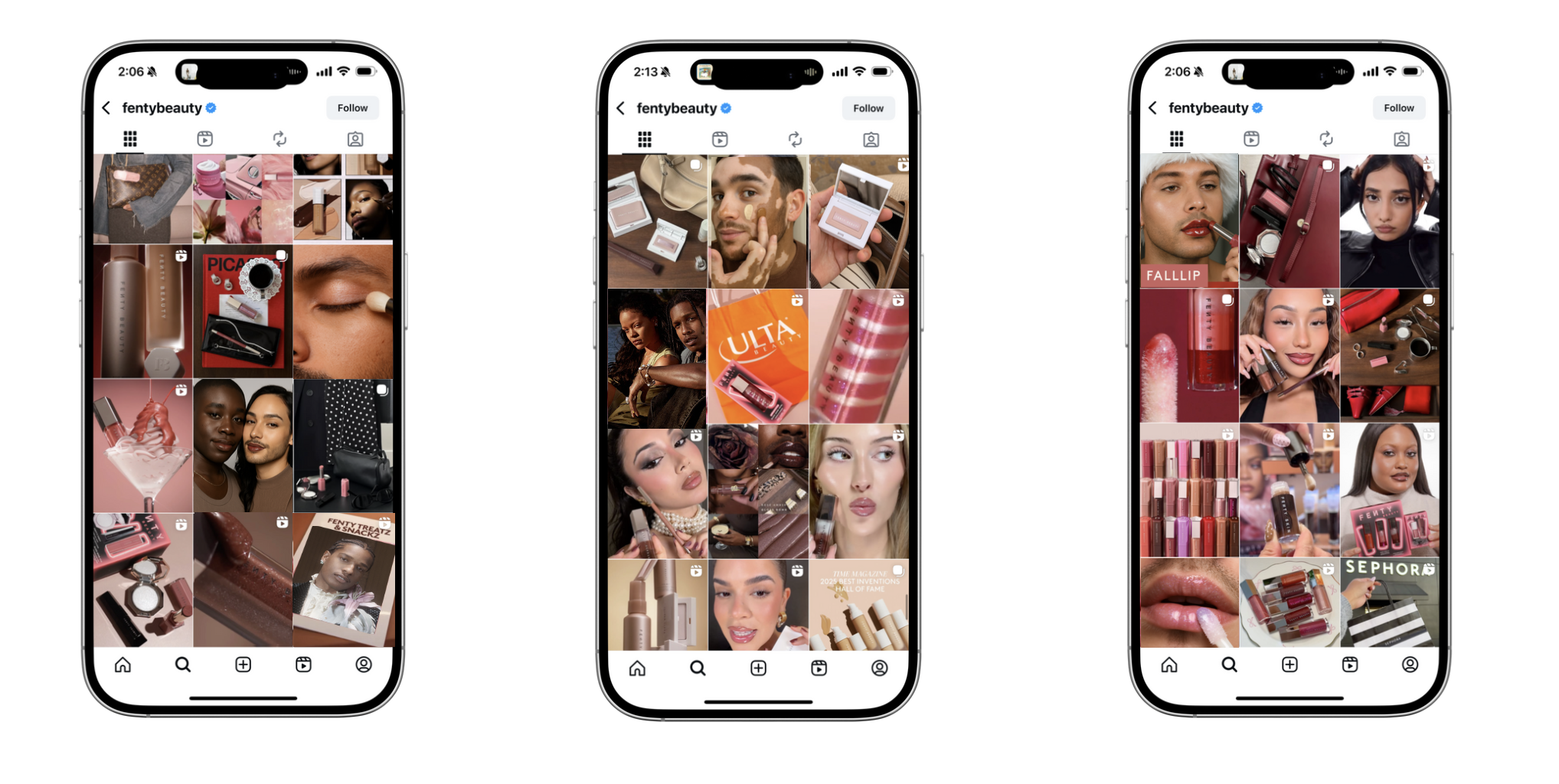
Men who use makeup are not being visibly represented across Fenty Beauty’s platforms, which prevents the brand from capturing this segment.
The Solution
Launch Confidence Crafted, a campaign that visibly integrates men into Fenty’s digital imagery and product storytelling to reflect their identity and encourage adoption.
How we did it
We defined a transformational growth objective for a new consumer segment. We analyzed cultural and behavioral motivations and reviewed consumer feedback to inform visual and messaging strategy.
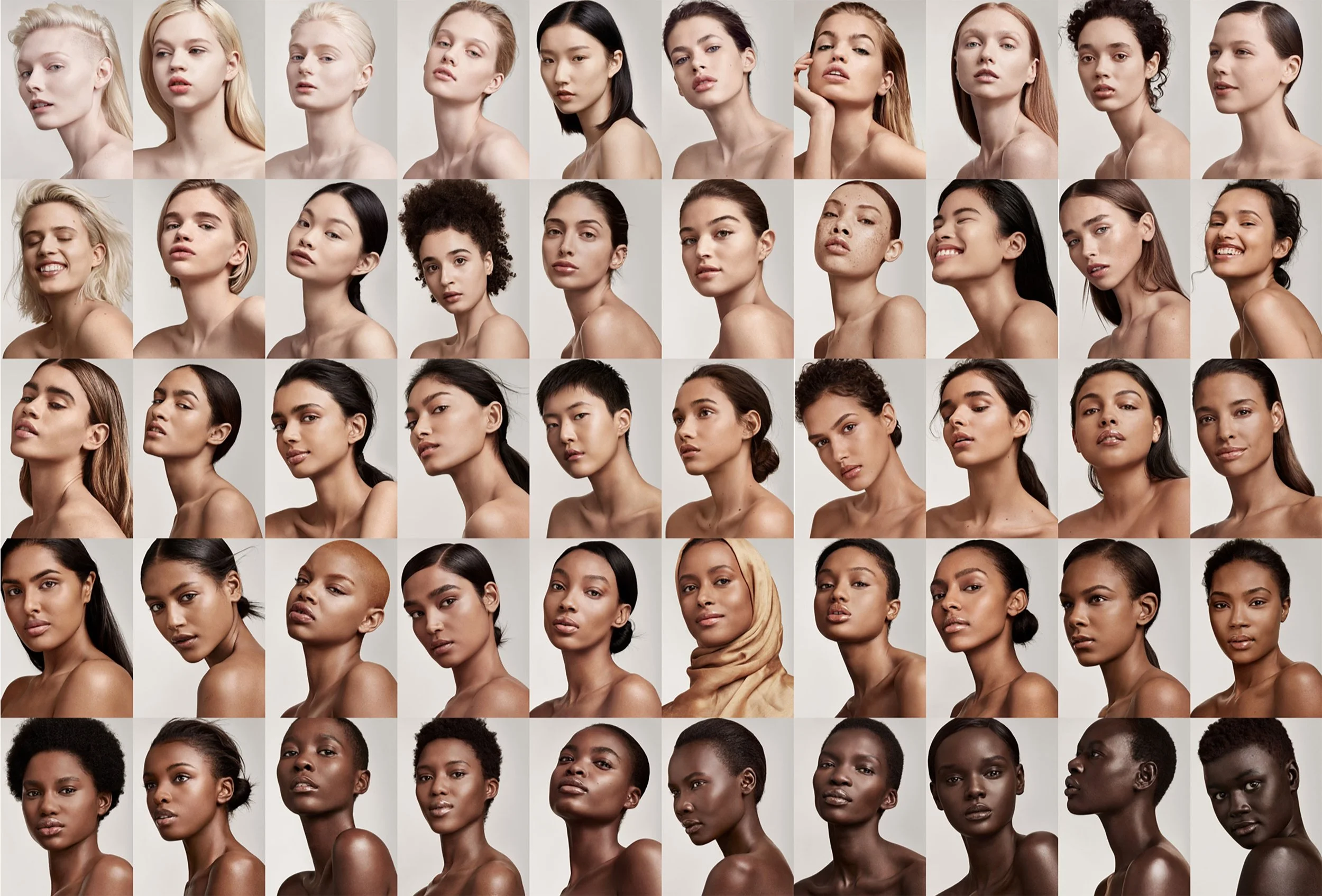
At Fenty, Inclusivity is Cultural.
The Fenty Effect not only diversifies shade ranges, but it also builds loyalty by making people feel seen for the first time. Fenty set the standard that other brands followed, and consumers stayed because representation was not a marketing angle. It was identity.
Insight:
People gravitate toward brands where they see themselves reflected. If they do not see themselves, they assume the product is not meant for them, no matter how good it is. Men who use makeup are already present in everyday life and across digital culture.
But they remain absent in Fenty’s visual world.
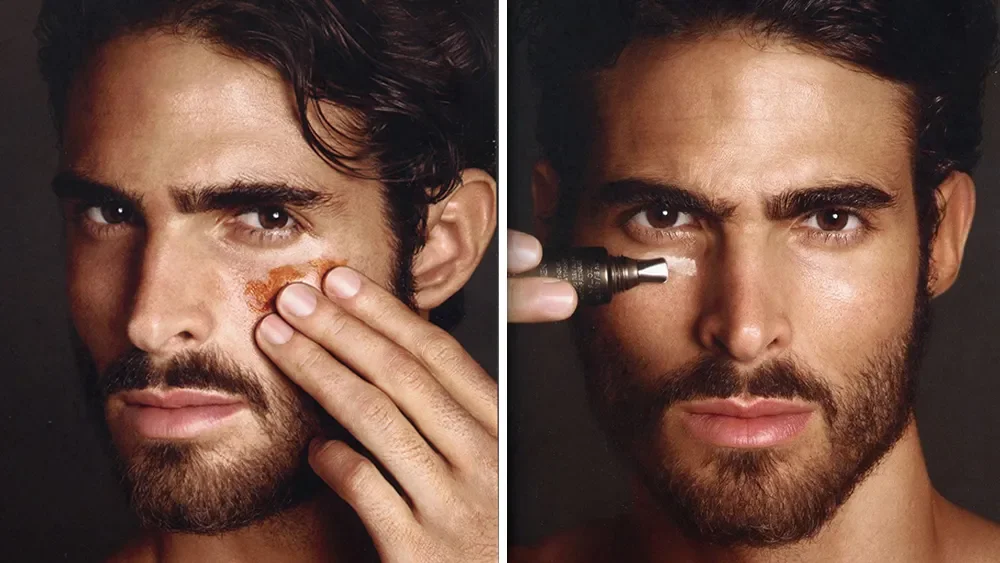
The Gap
The men’s skincare and grooming market has surpassed 11 billion dollars and is growing at twice the rate of women’s cosmetics. Men are already here, yet they remain absent from Fenty’s visual world.
For a brand built on inclusivity, this is not a contradiction. It is an unfinished chapter. The next step is not about creating space for men. It is about showing the ones who are already part of the story.
why this Feels Organic.
Fenty has always been rooted in communities that challenge beauty norms. Rihanna is not just accepted in LGBTQ spaces, she is celebrated and referenced inside them. Her presence in ballroom culture, queer nightlife, and fashion signals a brand identity already aligned with fluidity, expression, and chosen identity. Introducing men in Fenty visuals is not a new direction. It is a continuation of the world the brand already belongs to.
Targeted Segments
-
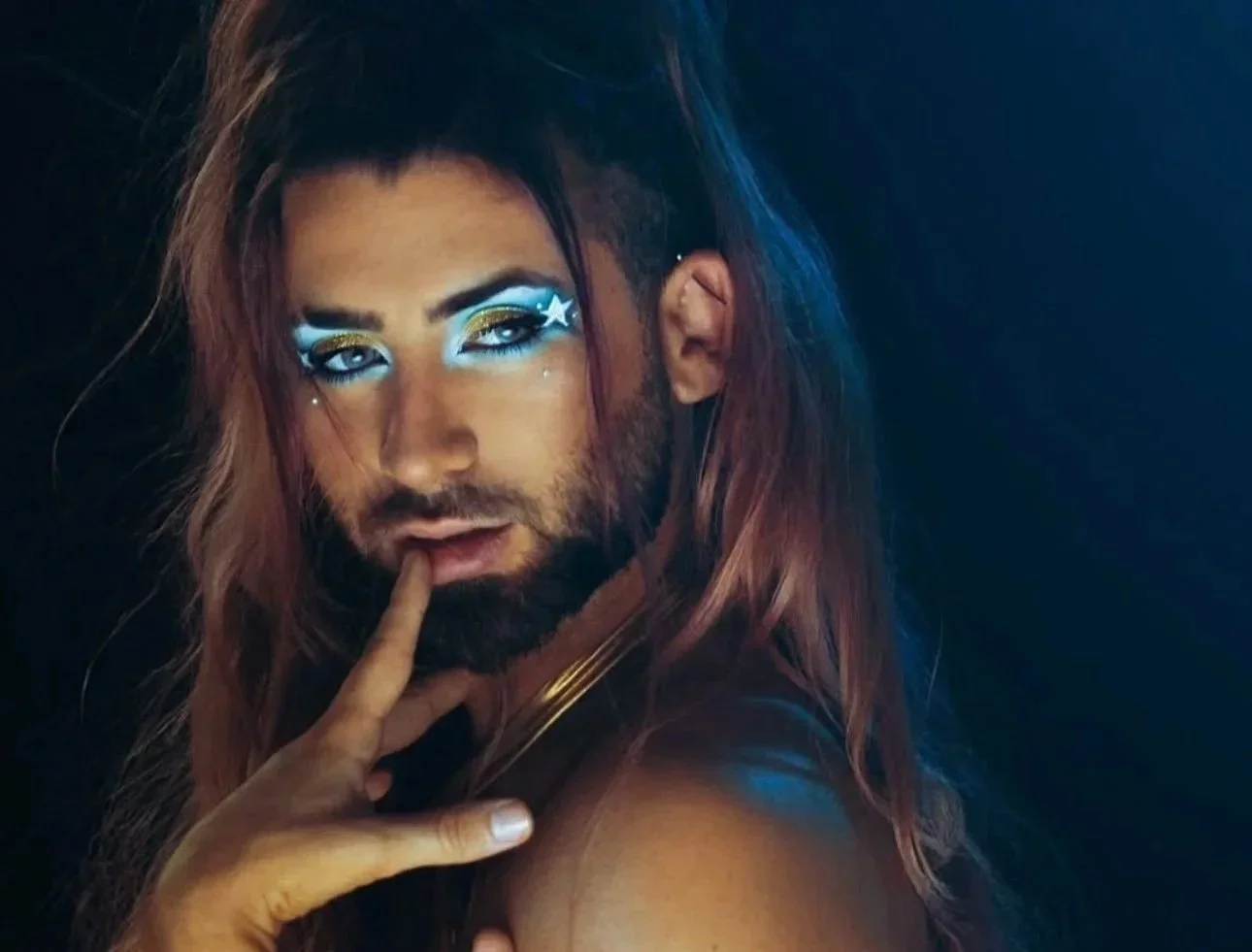
Primary segment: Gay Men
Makeup is identity, creativity, and confidence in public space. Comfortable being visibly “seen” wearing beauty.
-
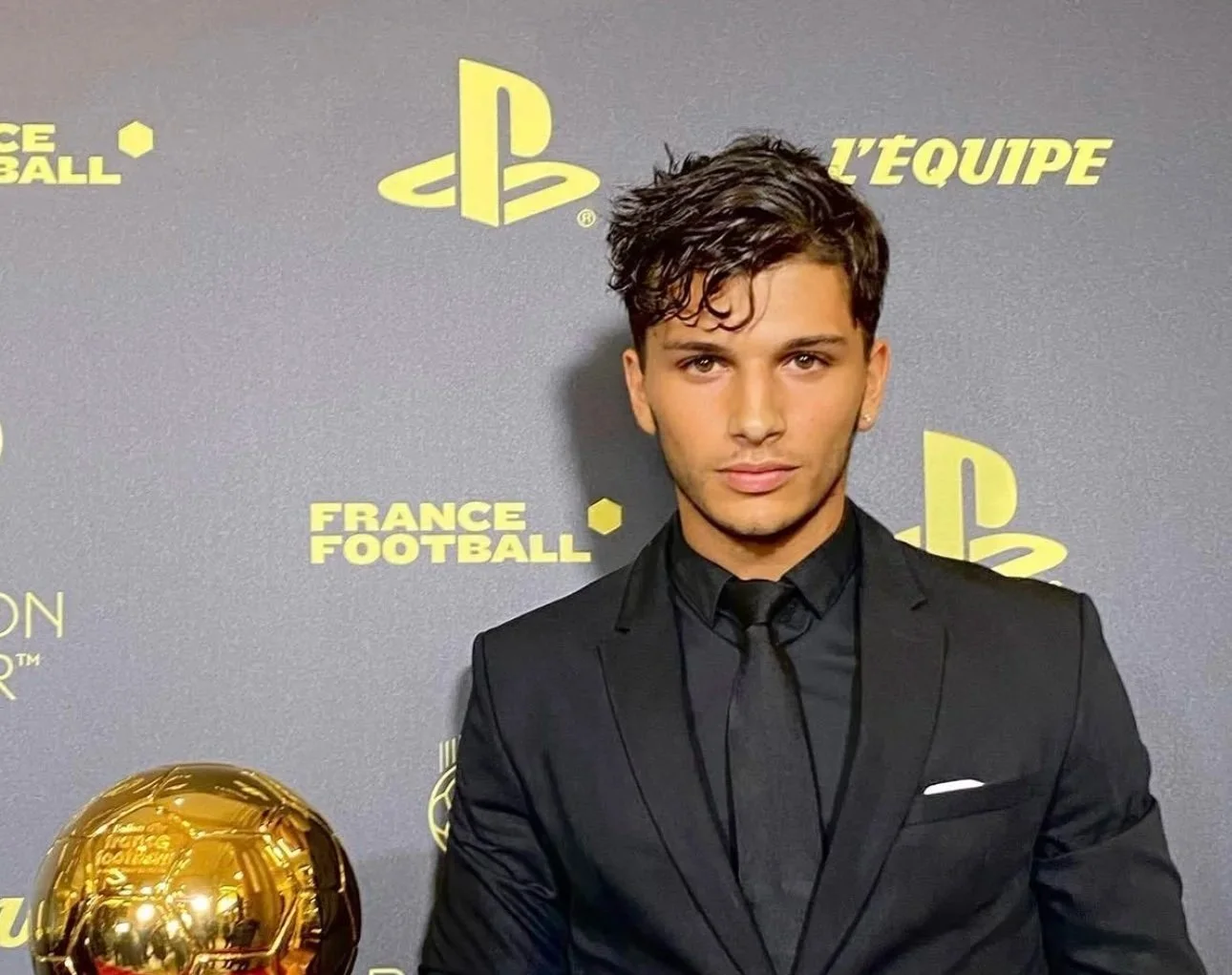
Secondary Segment: Metrosexual Men
Makeup is not performance. It is polish, control, and presence. Comfortable enhancing rather than performing.
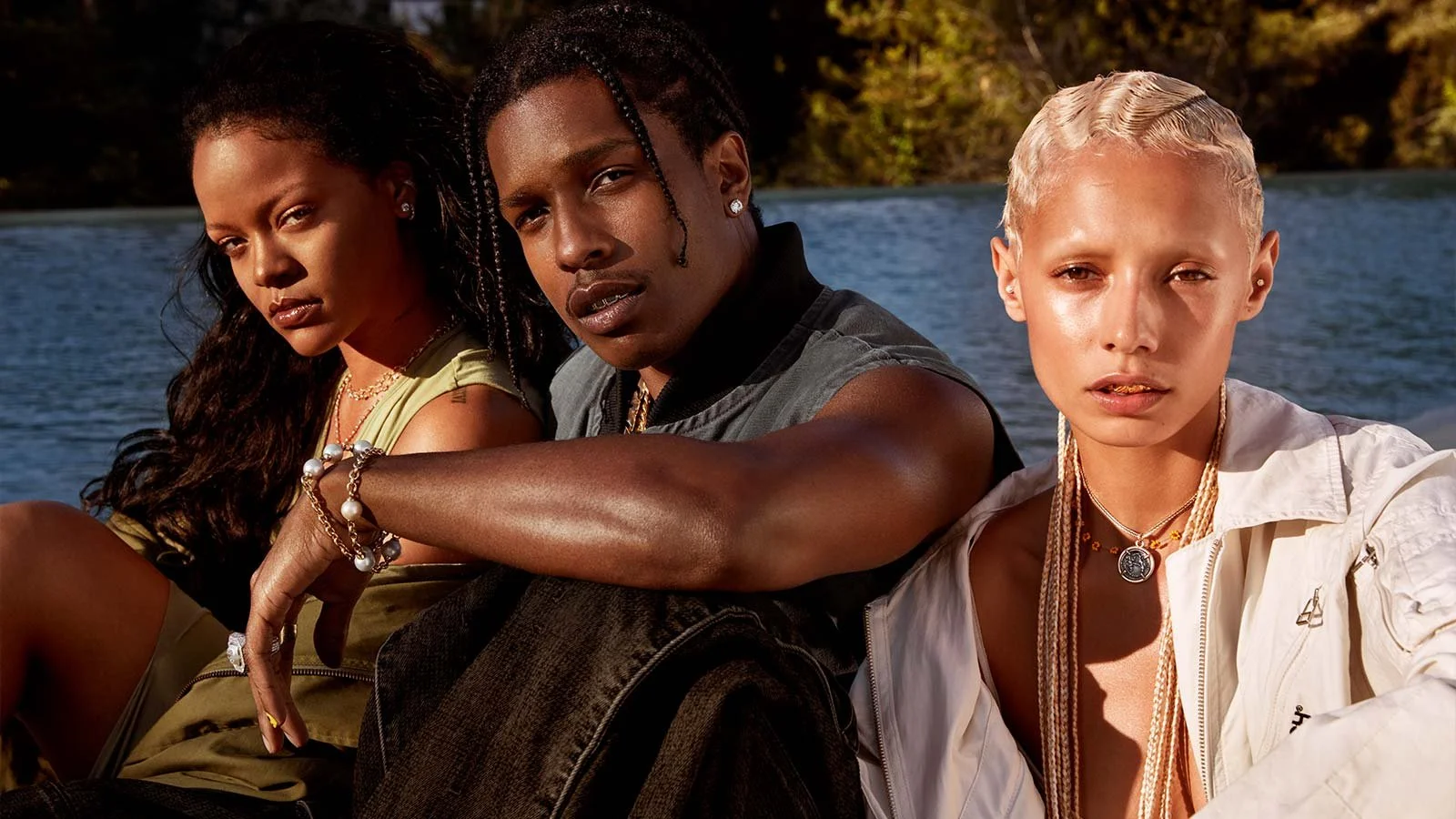
Start Where the Promise Already Exists
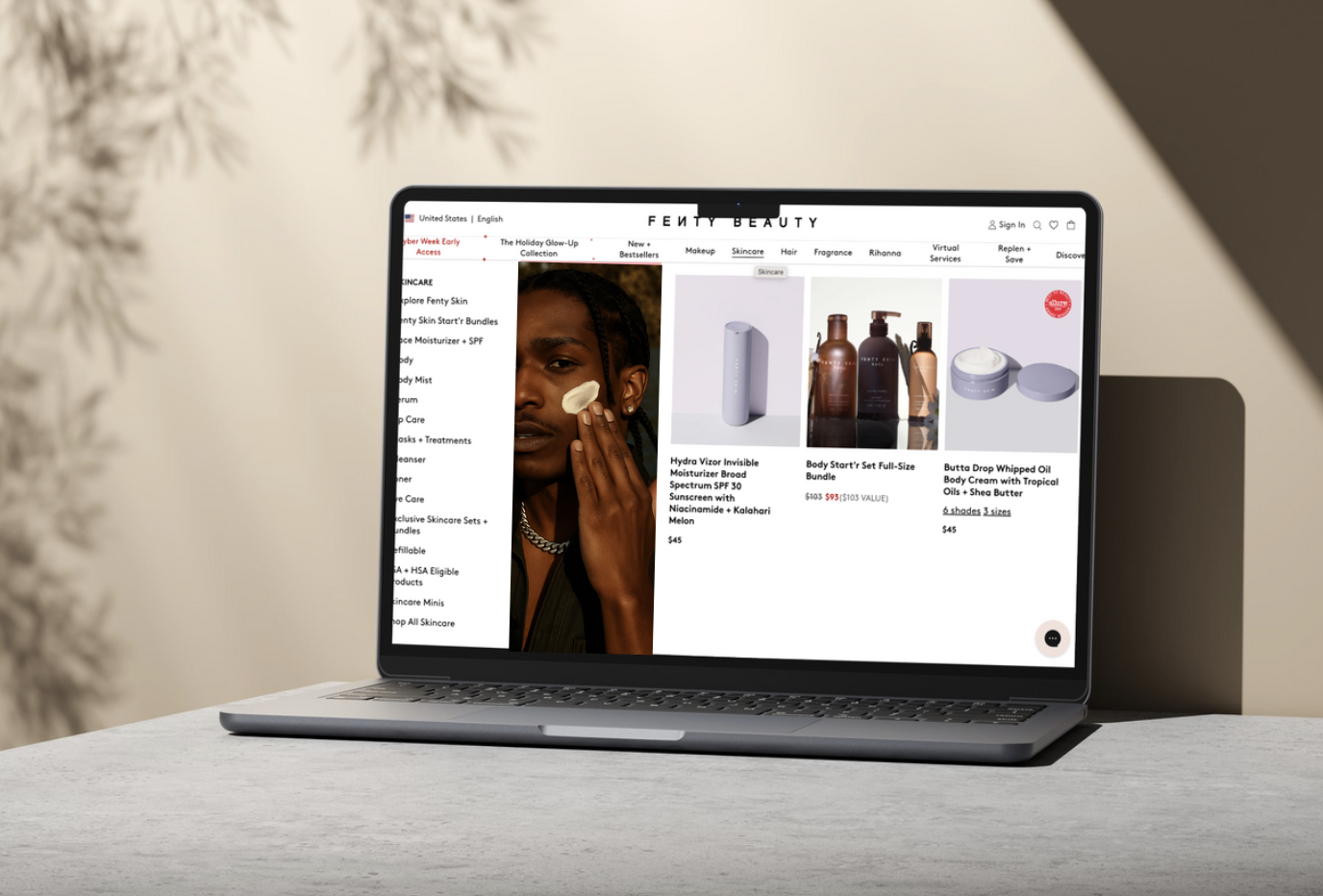
Fenty Skin launched with a clear message: skincare is universal. The campaign featured A$AP Rocky and gender-fluid model Gisele Zanaughtti, signaling that beauty is not gendered. The tone, the language, and the product positioning supported this mission.
But the execution did not continue beyond the launch moment.
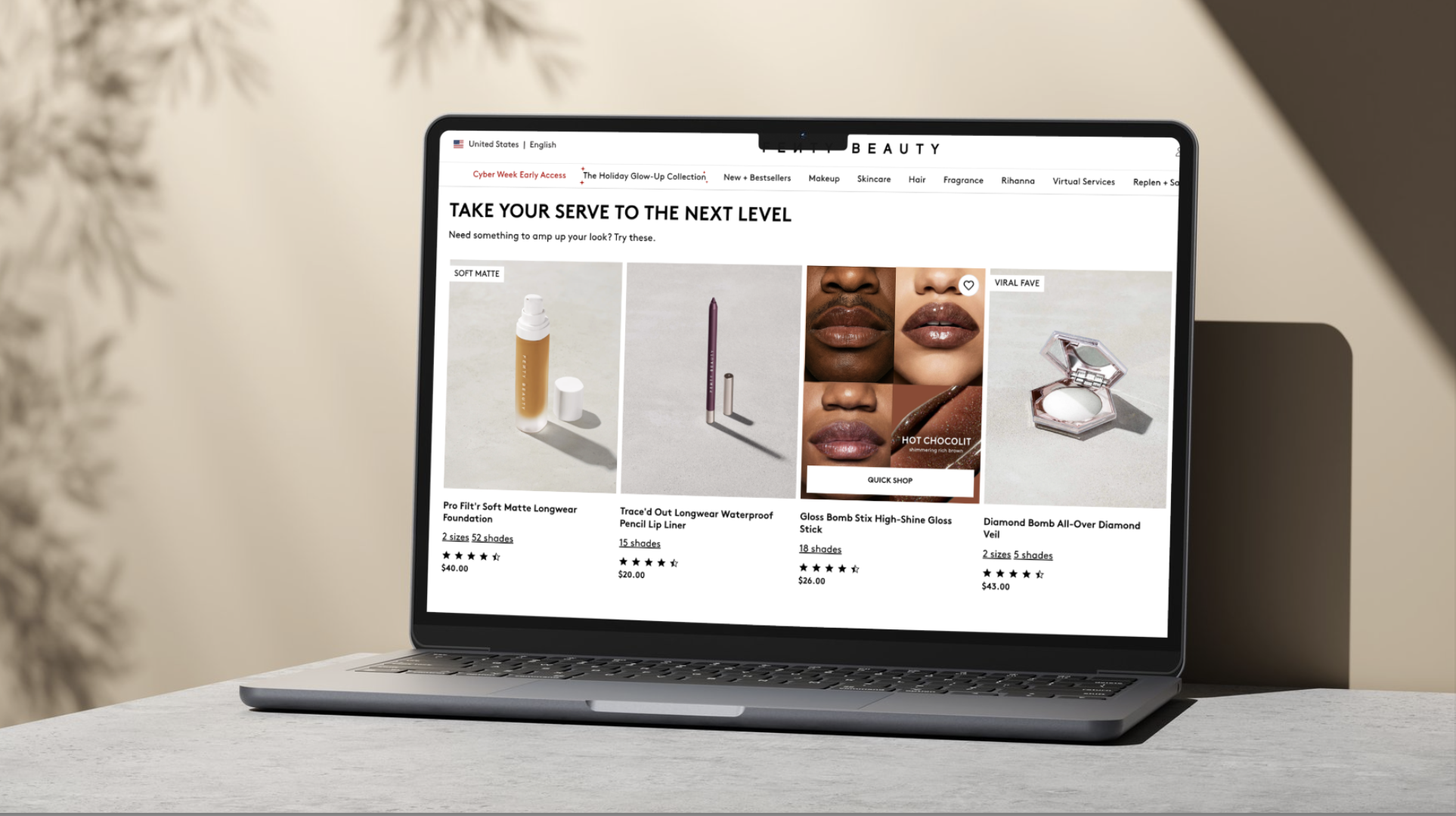
When we look at the ongoing visual content on websites, product pages, and social feeds, the imagery predominantly features women. The message of universality is stated, but not sustained.
This is not a product gap.
It is a visibility gap.
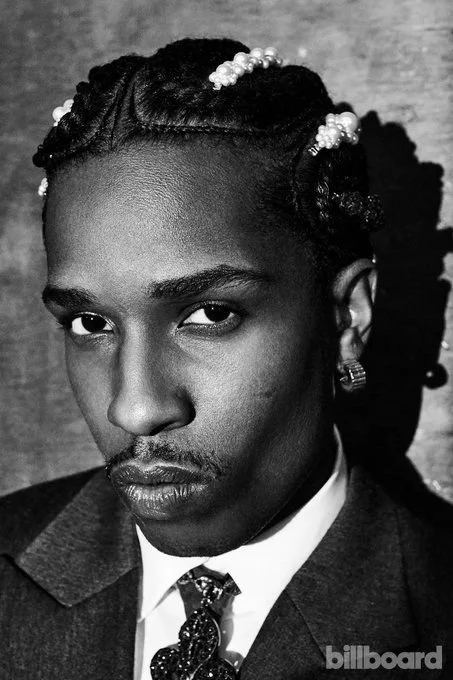
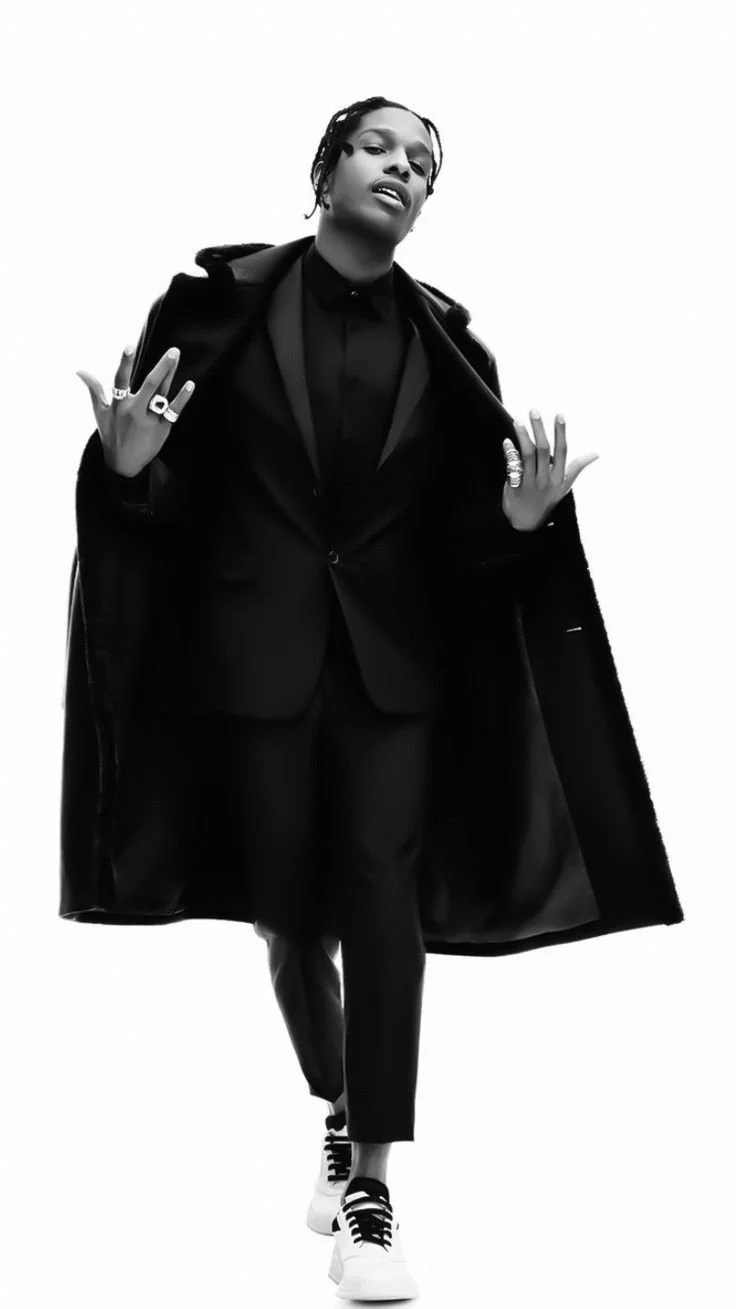
A$AP Rocky as a Cultural Bridge
A$AP Rocky embodies a modern masculinity defined by style, grooming, and aesthetic intention. His presence communicates that beauty for men is not performance. It is taste.
A$AP has already appeared in the Fenty Skin launch film, which signals that this space is already familiar to him and to the brand. The opportunity now is to move from cameo to continuity.
Not a guest appearance, but a visible role in the brand’s everyday world.
Strategic Rationale
Cultural Credibility
A$AP is already a fashion and grooming authority. His influence makes this move feel earned, not commercial.
Audience Expansion
Men who use makeup expressively
Men who use beauty for polish and refinement
He widens reach without changing the brand's values.
Couple Equity
Rihanna and A$AP are already a cultural power pair. His presence strengthens Fenty’s identity without requiring explanation.
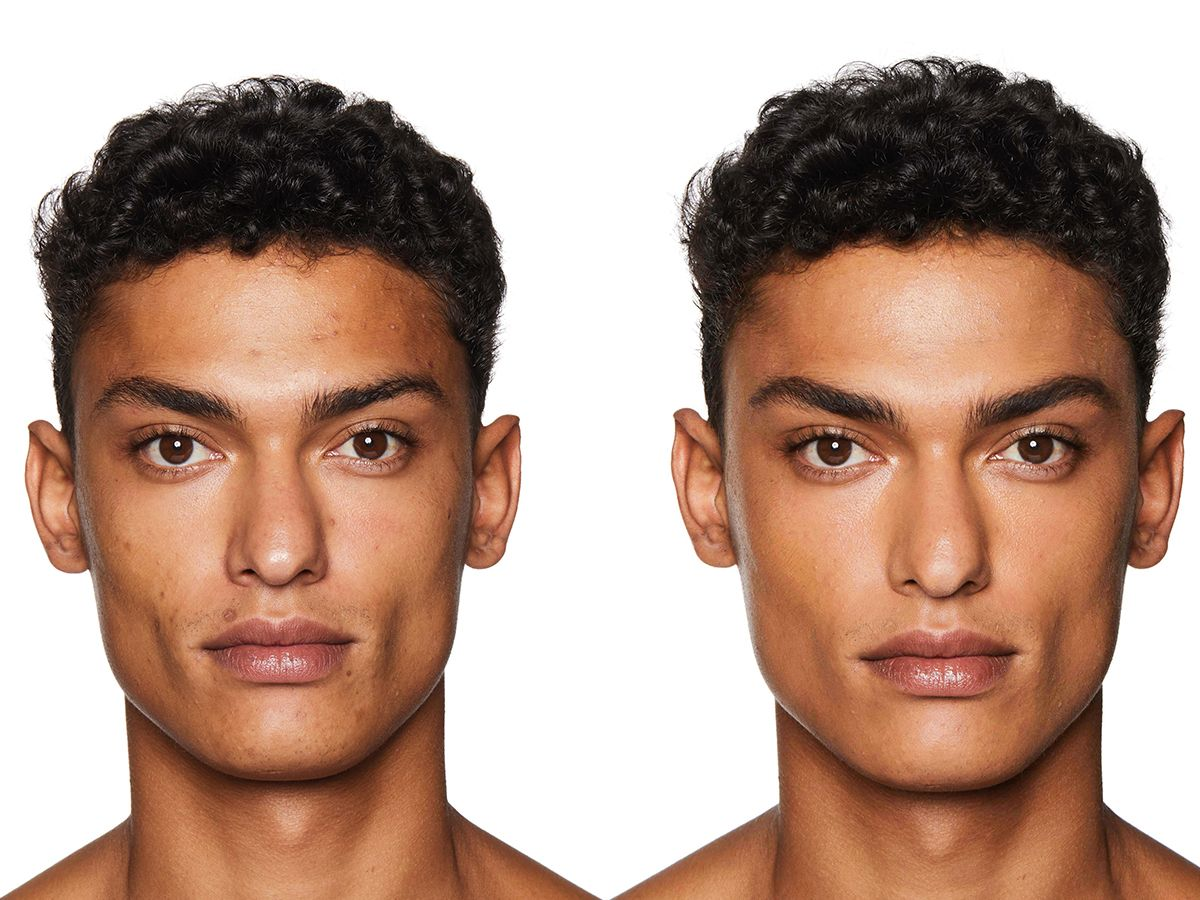
How We Bring This to Life.
To make men feel represented, Fenty must show them consistently. This is not a new campaign. It is a shift in the everyday visual system of the brand.
This change appears in:
• Product photography
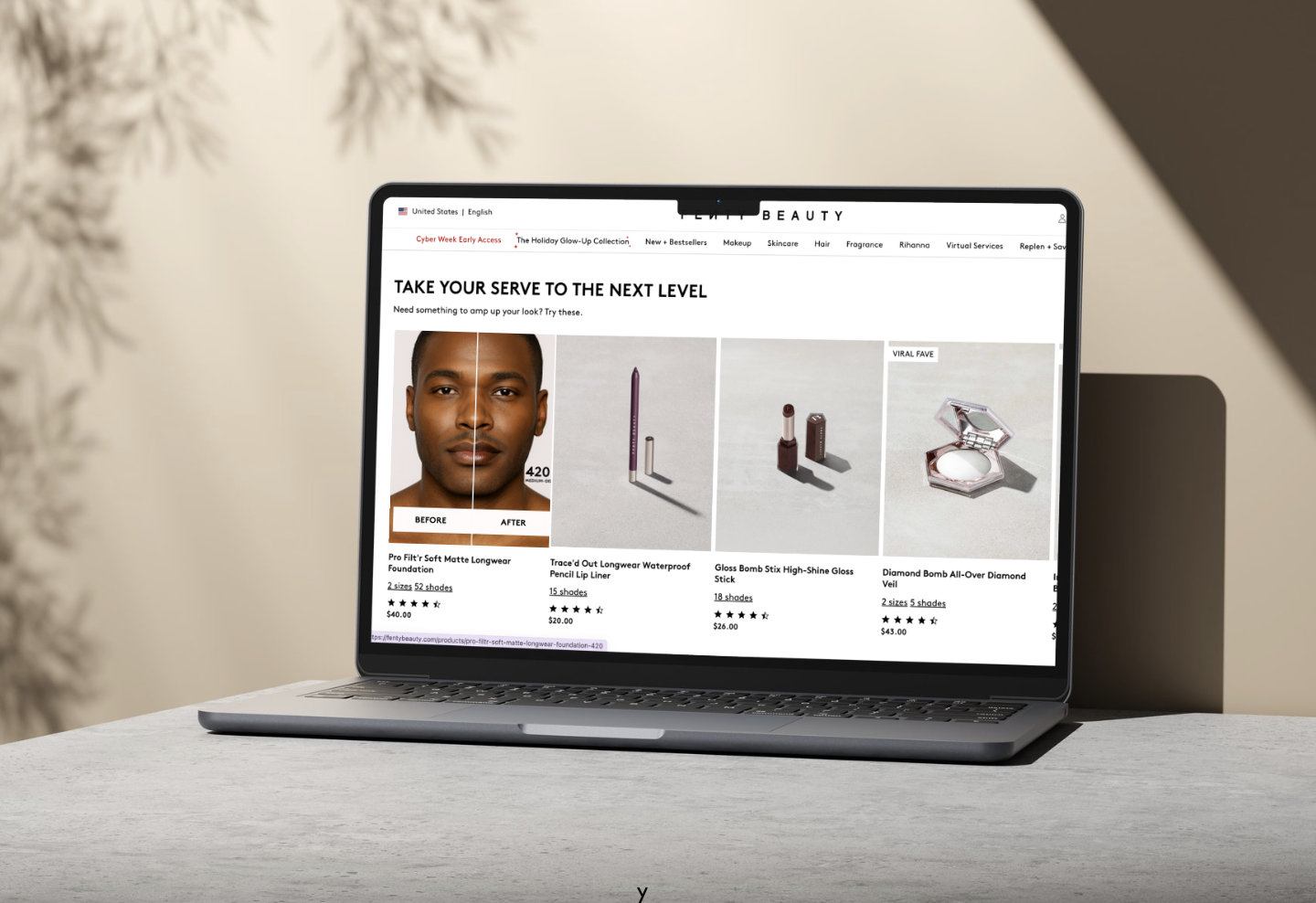
• E-commerce imagery
• Social content and GRWM formats
• Creator partnerships
• In-store and retail displays